Choosing the right time to visit the Faroe Islands depends on what kind of experience you want. The islands change dramatically through the seasons — from bright green summer cliffs filled with puffins to peaceful winter days with golden light and quiet villages.
If you’re planning your first trip, the best time to visit is between May and September. During these months, most tours, boat trips, and hiking routes are open, and daylight lasts nearly all day long.
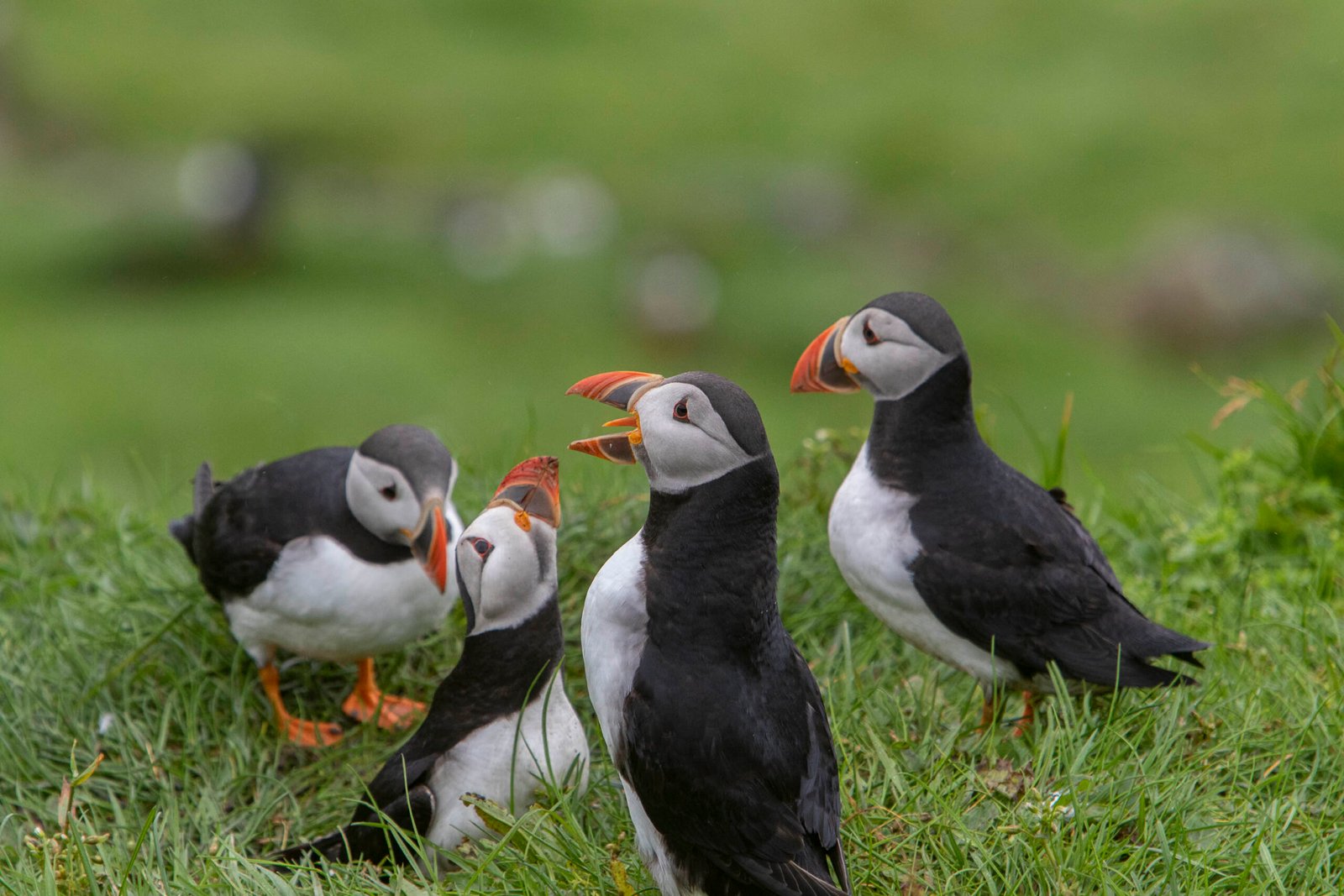
Spring marks the return of life to the Faroe Islands. The grass turns green, seabirds begin to arrive, and the cliffs slowly fill with puffins and fulmars.
This is the perfect time to visit if you want to avoid the main tourist crowds while still enjoying active tours. It’s also when the weather starts to improve and the days become longer.
Visit Mykines to see the first puffins of the season → Mykines Puffin Guide
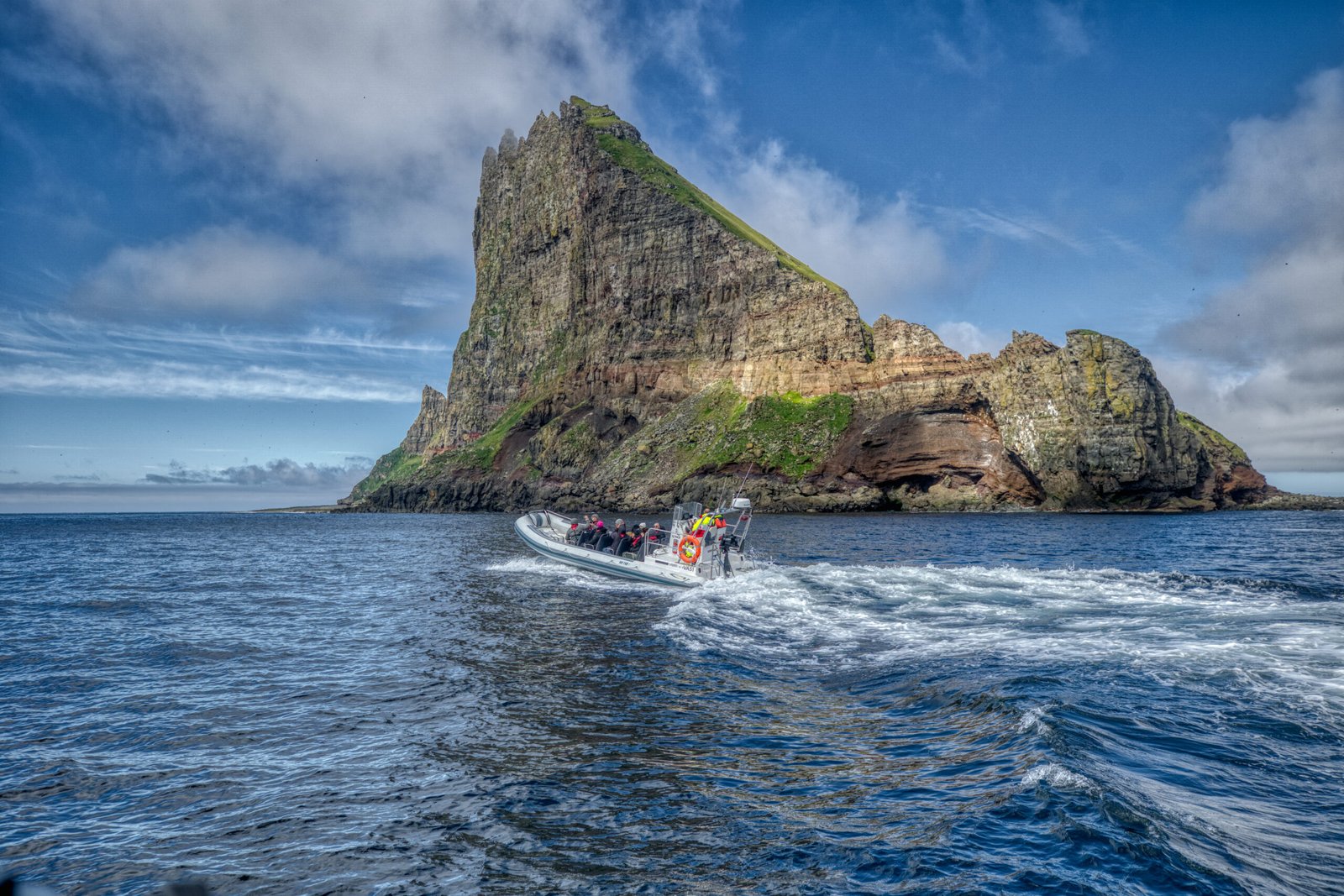
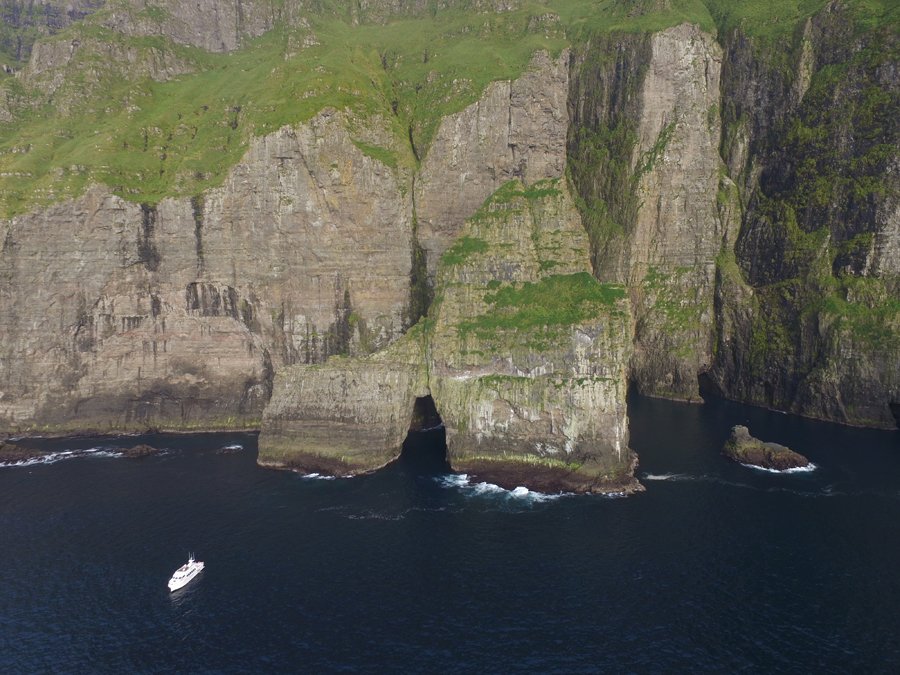
Join an early boat tour to Drangarnir → Drangarnir Boat Tour
Explore Múlafossur Waterfall before summer crowds arrive → Múlafossur Waterfall
Spring is also a great time to read our Ultimate Puffin Guide — weather can change quickly, and waterproof layers are a must.
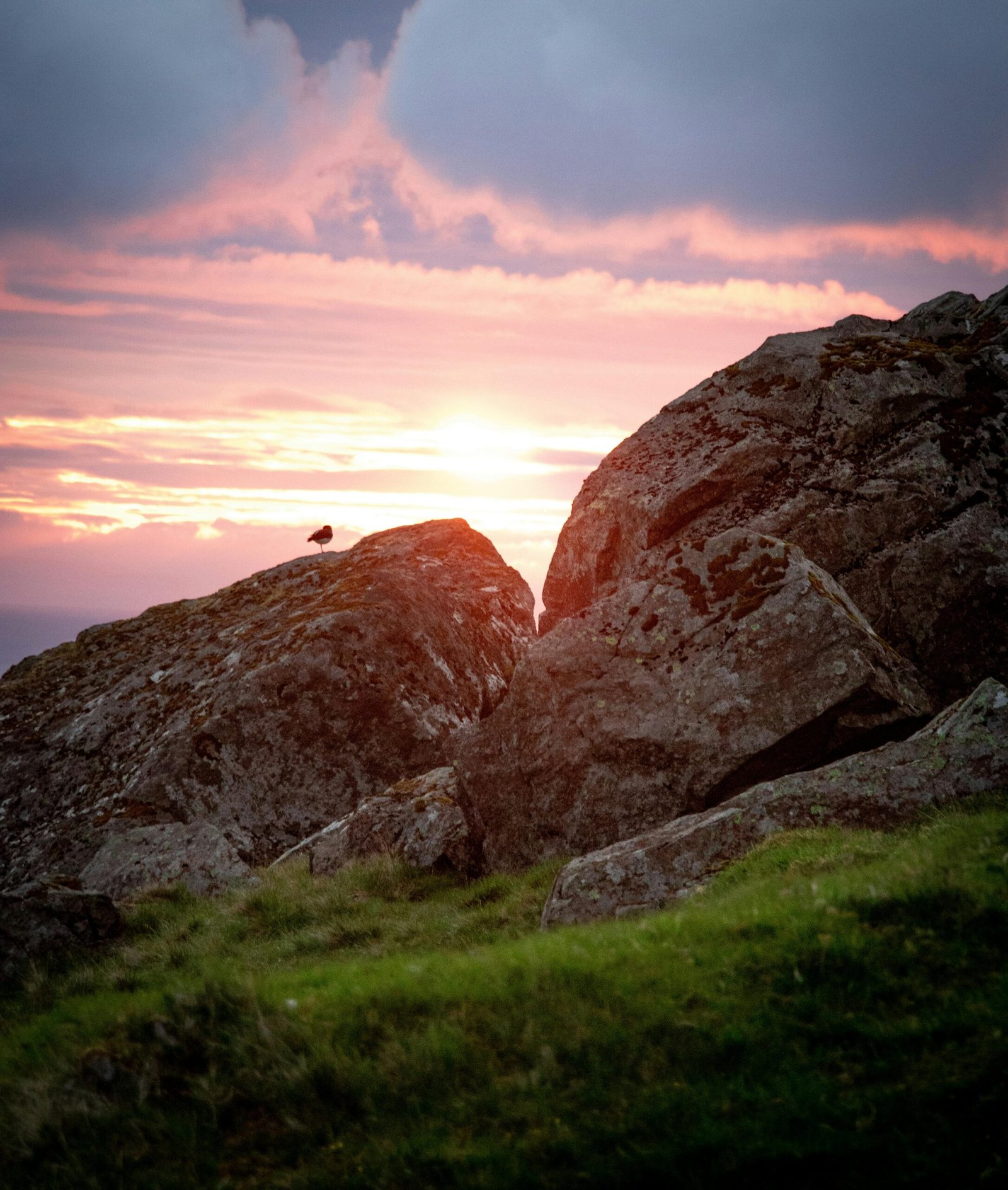
Summer is the most popular time to visit the Faroe Islands. Days are long, sometimes with up to 20 hours of daylight, and nearly every road, ferry, and hiking trail is open.
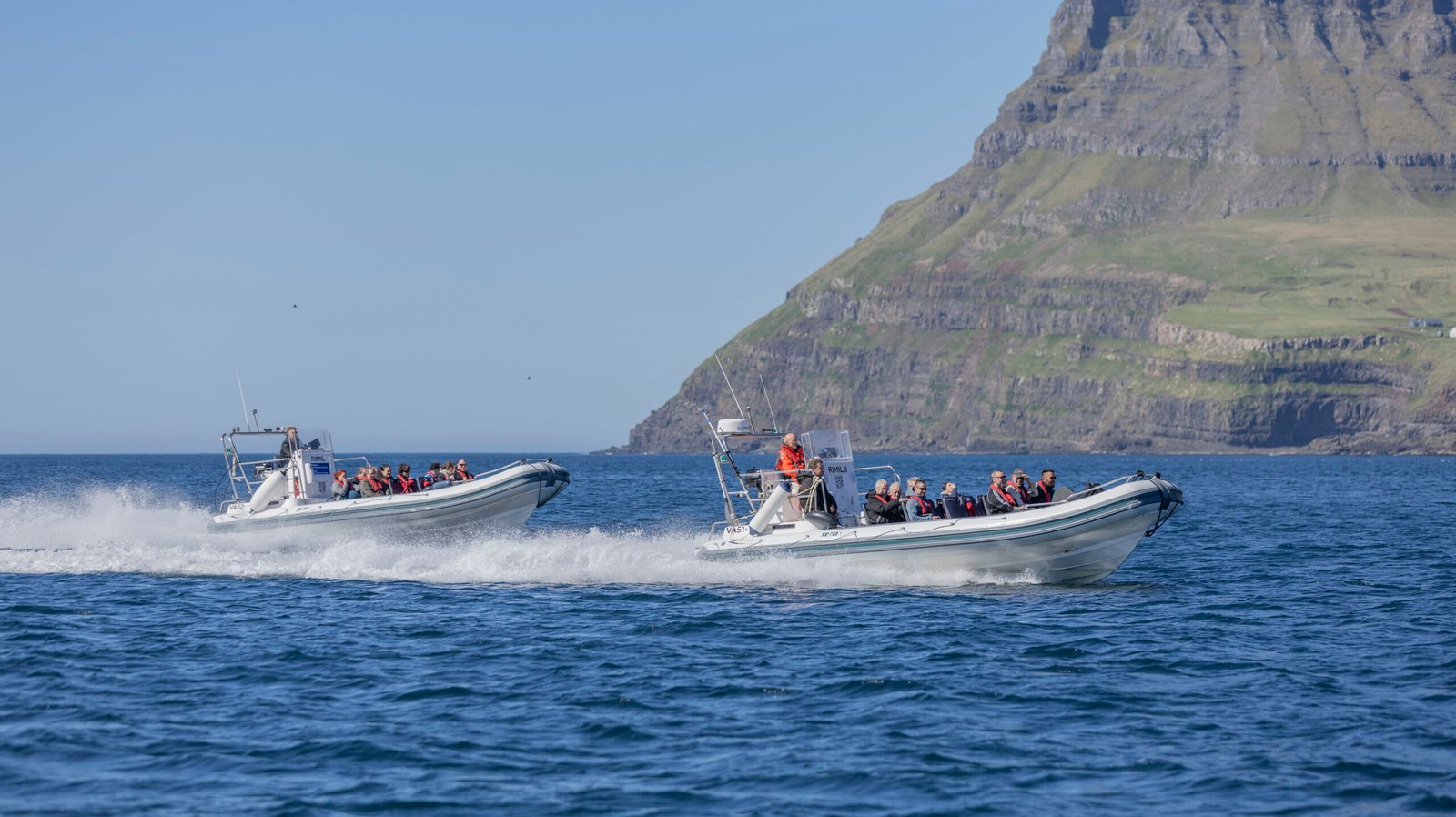
This is the season for boat tours, puffin watching, festivals, and exploring the iconic natural attractions like Drangarnir, Trælanípan, and Sørvágsvatn.
Take the See It All Guided Vágar Tour to combine several must-see attractions in one day → Vágar Guided Tour
Hike along Lake Sørvágsvatn (also known as the Lake Above the Ocean) → Trælanípan – Lake Above the Ocean
Visit the charming village of Bøur for one of the most scenic views in the Faroe Islands → Bøur Village Guide
Summer is also when the G! Festival and Ólavsøka, the national celebration, bring music and life to Tórshavn.
Make sure to read our Getting Around the Faroe Islands Guide if you plan to rent a car or explore by bus and ferry.
Autumn transforms the Faroe Islands into a palette of golden colors and dramatic light. Days get shorter, but the scenery becomes even more atmospheric — perfect for photographers and travelers seeking peace.
Fewer tourists visit during this time, which means it’s easier to enjoy popular places like Múlafossur Waterfall, Sørvágsvatn, or the Vestmanna bird cliffs without crowds.
Take a scenic boat tour to the Vestmanna Cliffs → Vestmanna Bird Cliffs Tour
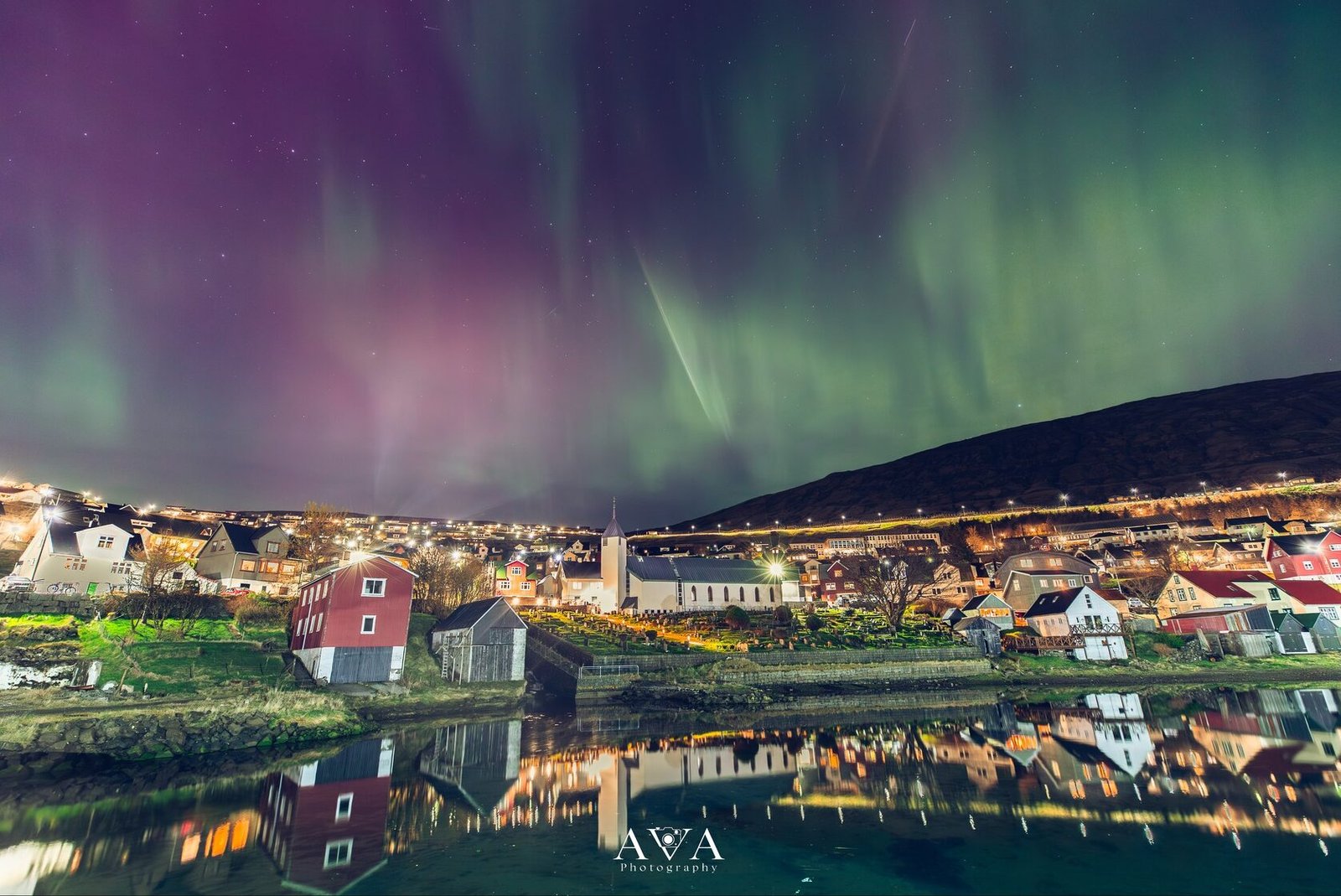
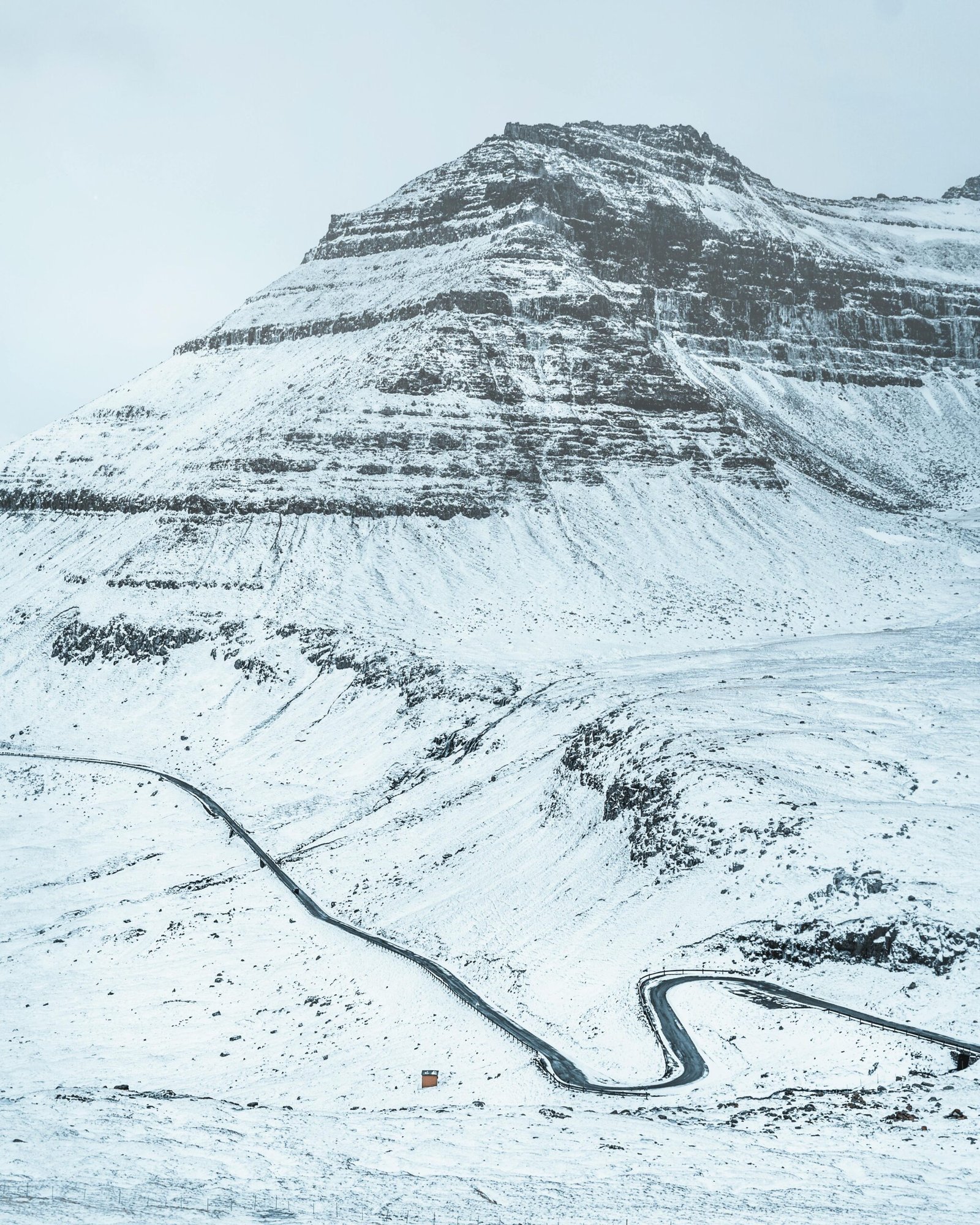
Winter is the calmest time in the Faroe Islands. The days are short and the light soft, giving the landscape a peaceful and almost magical quality.
Many boat tours and puffin trips close for the season, but Tórshavn remains open with cozy cafés, museums, and warm Faroese hospitality.
This is the best time for photography, local culture, and slow travel — when you can experience the islands as locals do.
For adventure: May to September
For photography: April, September, and October
For quiet travel: March to May or October to December
For puffins: May to mid-August
The Faroese weather is unpredictable — it’s common to see sun, rain, fog, and blue skies all within an hour. Locals often say, “If you don’t like the weather, wait five minutes.”
No matter the month, pack layers and waterproof clothing. You’ll find packing tips in our Faroe Islands Packing Guide and driving advice in the Getting Around the Faroe Islands Guide.