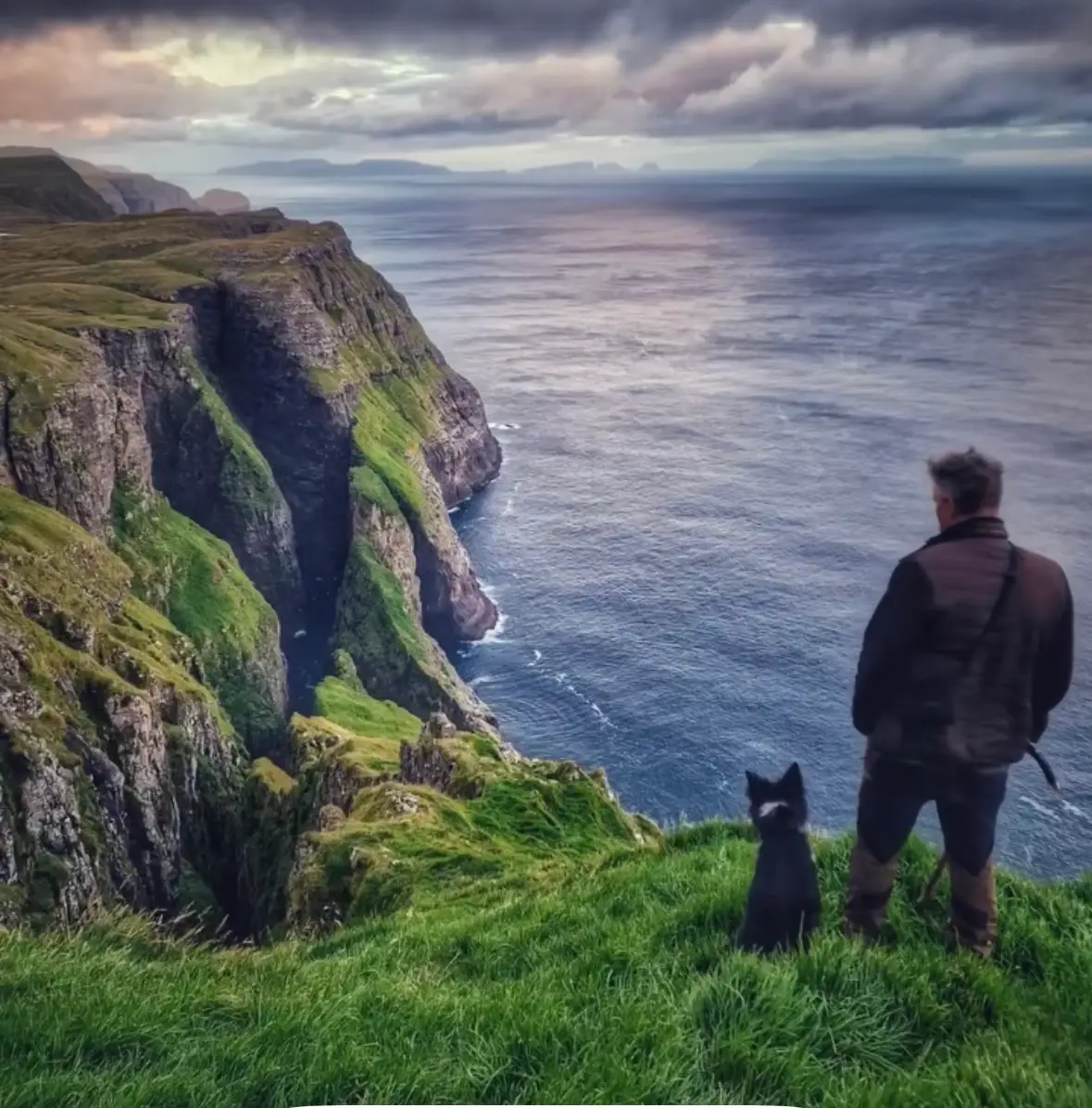
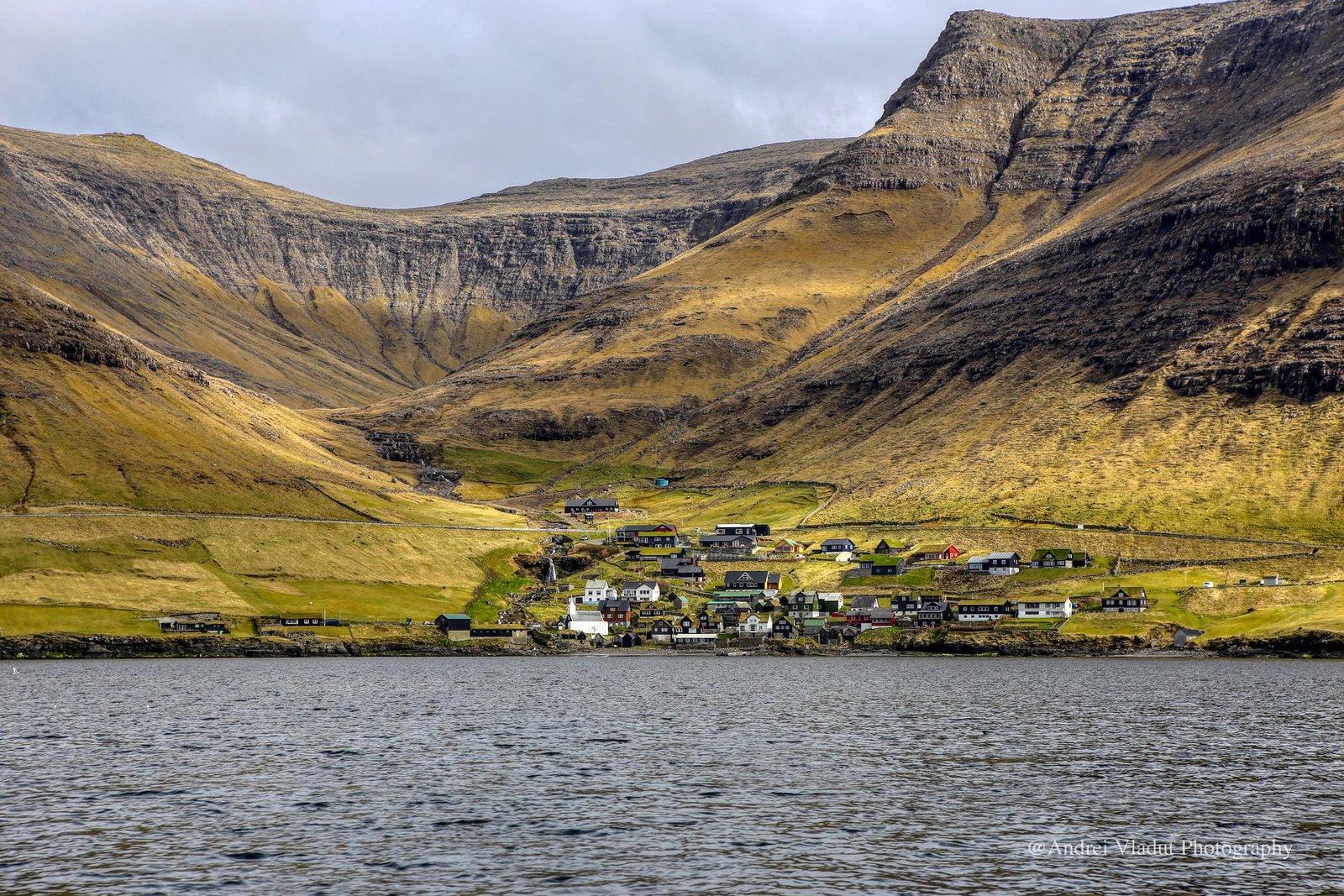
There are beautiful places in the Faroe Islands, and then there are places that tell the story of the islands themselves. Kirkjubøur is one of those places.
Just a 15-minute drive from Tórshavn, this tiny village has been the religious and cultural heart of the Faroe Islands for centuries. Kings, bishops, farmers, and pilgrims have all walked these same paths. Today, visitors come to admire the medieval ruins, one of the oldest wooden houses still inhabited in the world, and the peaceful setting overlooking the island of Hestur.
Whether you’re passionate about history or simply looking to experience a different side of the Faroe Islands, Kirkjubøur is a destination that deserves a place on every itinerary.
If you could only visit one historical site in the Faroe Islands, Kirkjubøur should be it.
For nearly a thousand years, this small village has played an important role in Faroese history. It was once the country’s religious centre, home to bishops, priests, and scholars. During the Middle Ages, Kirkjubøur became the seat of the Catholic Church in the Faroe Islands and remained one of the country’s most influential settlements for centuries.
Many of the buildings you see today tell that story, making Kirkjubøur one of the best places to understand Faroese culture beyond its dramatic landscapes.
Archaeological discoveries suggest people have lived in Kirkjubøur since the Viking Age.
Its location was ideal. The fertile land made farming possible, while the nearby sea connected the village to the rest of the North Atlantic.
During the Middle Ages, Kirkjubøur flourished. Bishops established their residence here, churches were built, and the village became the religious centre of the Faroe Islands.
Although the Reformation changed the village forever, Kirkjubøur remained one of the country’s most significant cultural landmarks.
Walking through the village today feels like walking through an open-air history book.
The unfinished Magnus Cathedral is undoubtedly Kirkjubøur’s most iconic landmark.
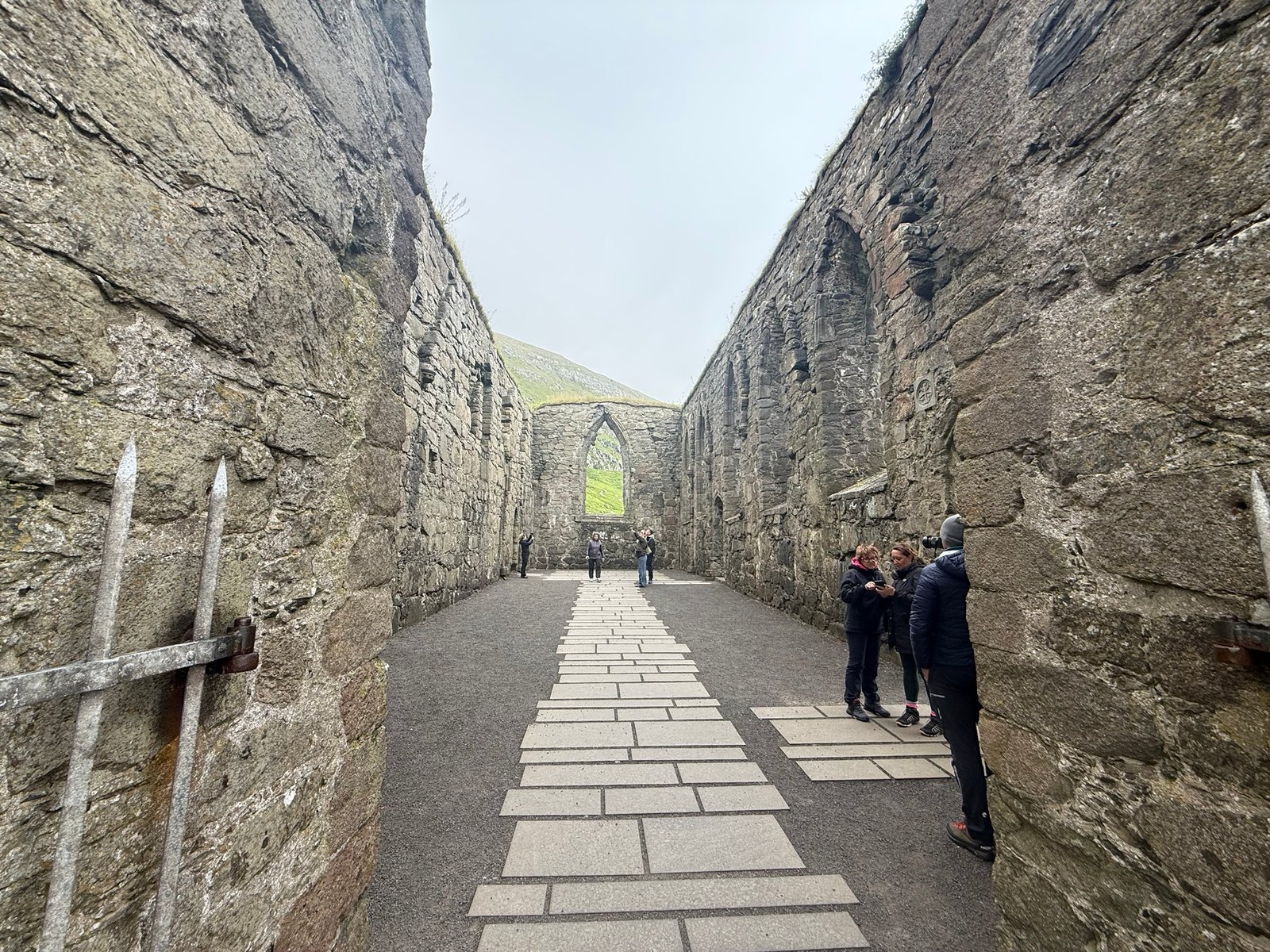
Construction began around 1300, but the cathedral was never completed. Historians believe political changes, economic challenges, and eventually the Reformation brought construction to a halt.
Even unfinished, the building is breathtaking.
Standing inside the roofless stone walls, it’s easy to imagine how ambitious the cathedral once was. Massive Gothic arches rise toward the sky, while the Atlantic wind flows through windows that have stood open for centuries.
Today, Magnus Cathedral is one of the most photographed historical sites in the Faroe Islands and a symbol of the country’s medieval past.
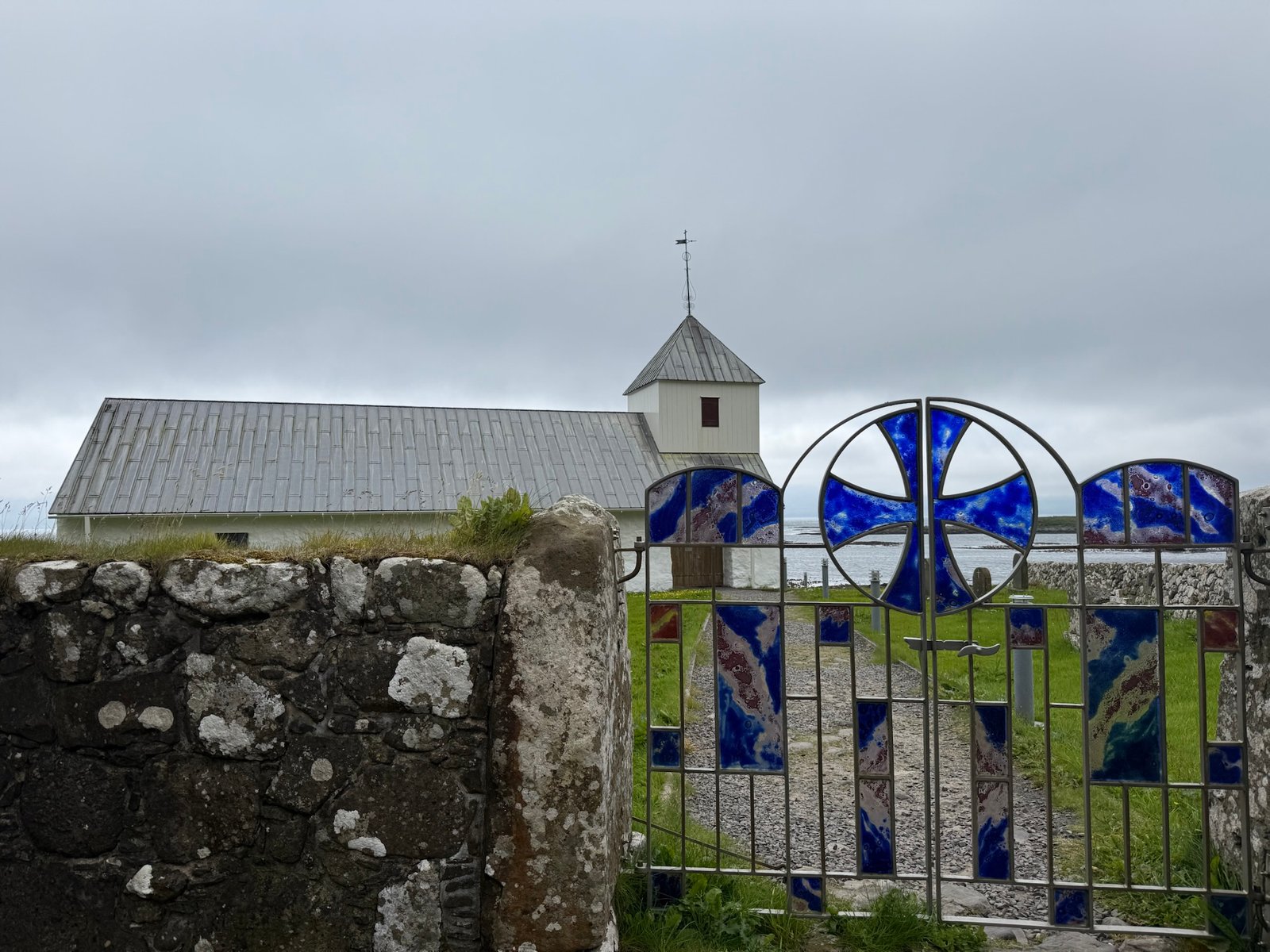
Just a short walk from the cathedral stands St. Olav’s Church (Ólavskirkjan), one of the oldest churches still in regular use in Northern Europe.
Dating back to the 12th century, the church remains an active parish church, hosting services, weddings, baptisms, and community gatherings.
Inside, visitors will find a simple yet beautiful interior that reflects traditional Faroese craftsmanship rather than elaborate decoration.
The contrast between the ancient stone walls outside and the warm wooden interior makes the church one of Kirkjubøur’s highlights.
Perhaps the most remarkable building in Kirkjubøur isn’t the cathedral at all.
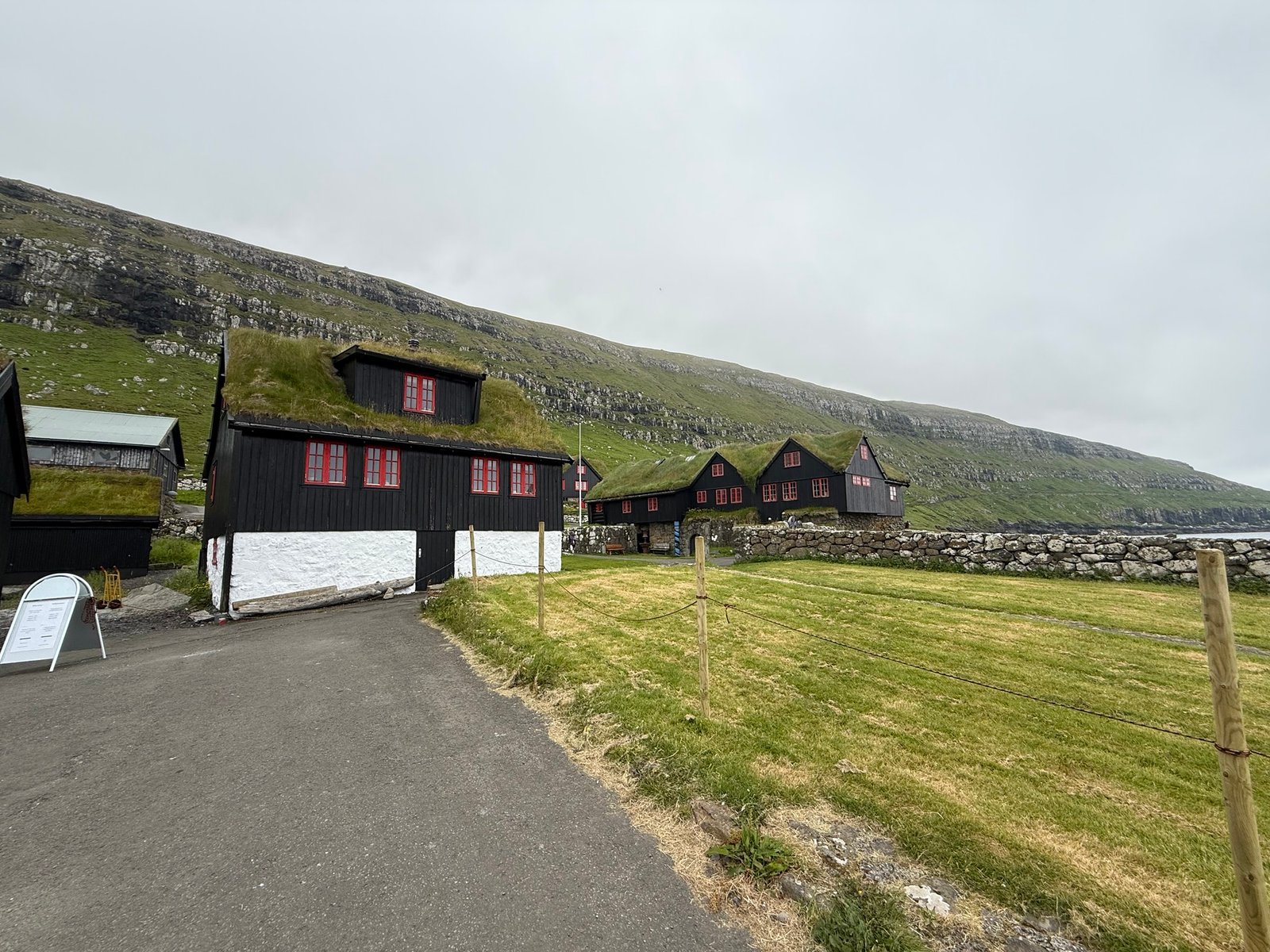
Kirkjubøargarður, often called the King’s Farm, is believed to be one of the oldest continuously inhabited wooden houses in the world.
According to tradition, parts of the timber arrived drifting across the Atlantic from Norway after a storm. Whether legend or fact, the farm has been home to the same Faroese family for 17 generations.
Today, visitors can explore parts of the historic farmhouse and gain insight into daily life in the Faroe Islands centuries ago.
Few places in Europe offer such a direct connection between the medieval world and modern life.
Despite its incredible history, Kirkjubøur remains a small farming village.
Sheep graze the surrounding fields, locals continue to work the land, and the pace of life is slow.
This combination of living community and preserved history is what makes Kirkjubøur so special.
It’s not a museum created for tourists.
It’s a real village where history continues every single day.
A visit to Kirkjubøur isn’t just about seeing one attraction.
Take time to explore:
Many visitors spend an hour or two here, but history enthusiasts can easily stay much longer.
Kirkjubøur can be visited throughout the year.
Summer offers long daylight hours and pleasant weather, while autumn and winter often create a dramatic atmosphere around the cathedral ruins.
Because many visitors arrive during the middle of the day, early mornings and evenings provide the quietest experience and the best opportunities to appreciate the peaceful surroundings.
Location: Southern Streymoy, approximately 15 minutes from Tórshavn
Parking: Free parking is available near the village.
Accessibility: Most attractions are reached via short walking paths.
Entrance Fees: Some buildings, including Kirkjubøargarður, may charge admission during opening hours.
Facilities: Public toilets and seasonal refreshments may be available nearby.
Respect the Village: Remember that Kirkjubøur is a living community. Stay on marked paths, close gates behind you, and respect private property.
Kirkjubøur offers a completely different side of the Faroe Islands. Instead of dramatic hikes or towering cliffs, you’ll discover centuries of history, peaceful landscapes, and stories that shaped the nation.
If you’d like to include Kirkjubøur as part of a guided cultural experience, we’d be happy to help.
Join one of our guided sightseeing tours
Contact us to create a private itinerary focused on Faroese history, culture, and local traditions.
Absolutely. It is considered the most important historical village in the Faroe Islands.
Yes. Visitors can walk inside the cathedral ruins.
Yes. It continues to host church services and special ceremonies throughout the year.
Most visitors spend between one and two hours exploring the village and its historic buildings.